Introduction
The labeling machine industry plays a crucial role in modern manufacturing and packaging processes. Whether in beverages, pharmaceuticals, cosmetics, or food, labeling machines are vital for applying product information, branding, and regulatory details accurately and efficiently. For newcomers to the industry, understanding the key aspects of labeling machines—from types and technologies to market trends—is essential for making informed decisions that enhance productivity and product quality.
This article aims to provide a comprehensive overview of the labeling machine industry, focusing on essential concepts, the benefits of automation, speed considerations, and adaptability to various bottle types.
What is a Labeling Machine?
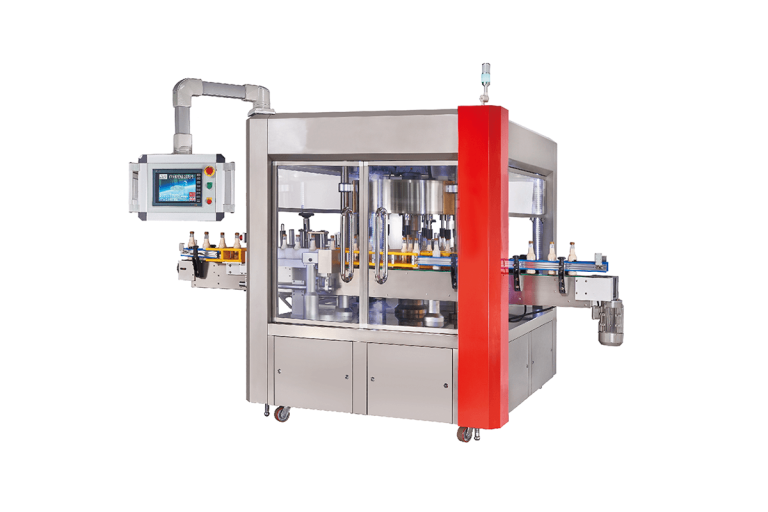
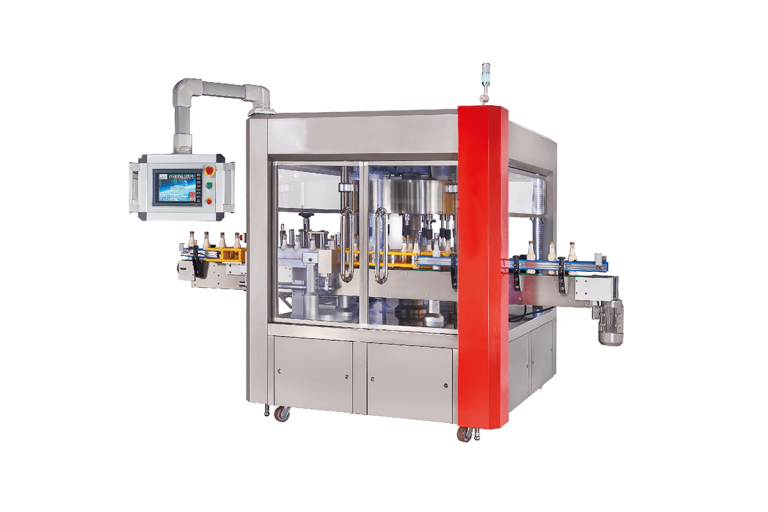
A labeling machine is an automated or semi-automated piece of equipment designed to apply labels to containers, bottles, jars, or other packaging formats. Labels can be paper, plastic, or foil and may include printed logos, barcodes, nutritional facts, or other product information.
Labeling machines help streamline packaging lines by speeding up the labeling process, improving accuracy, and reducing manual labor errors. They range from simple manual applicators to sophisticated fully automatic systems integrated with other production line equipment.
Types of Labeling Machines
Labeling machines can be broadly categorized based on their operation method and the type of labels they apply. The main types include:
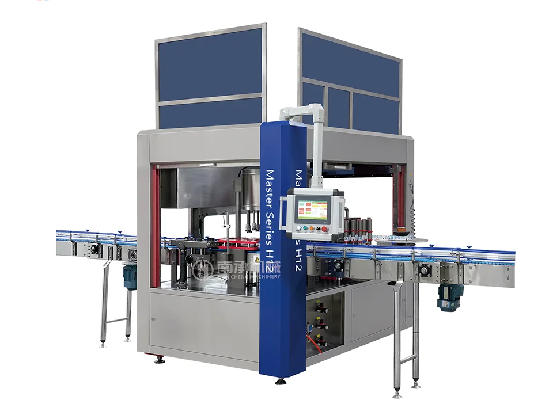
Adhesive sticker Labeling Machines: Use adhesive-backed labels that stick to the container upon application. These are popular due to their speed and ease of use.
Opp/bopp hot melt glue Labeling Machines: Apply glue to the label or container before sticking. Suitable for various label materials but typically slower.
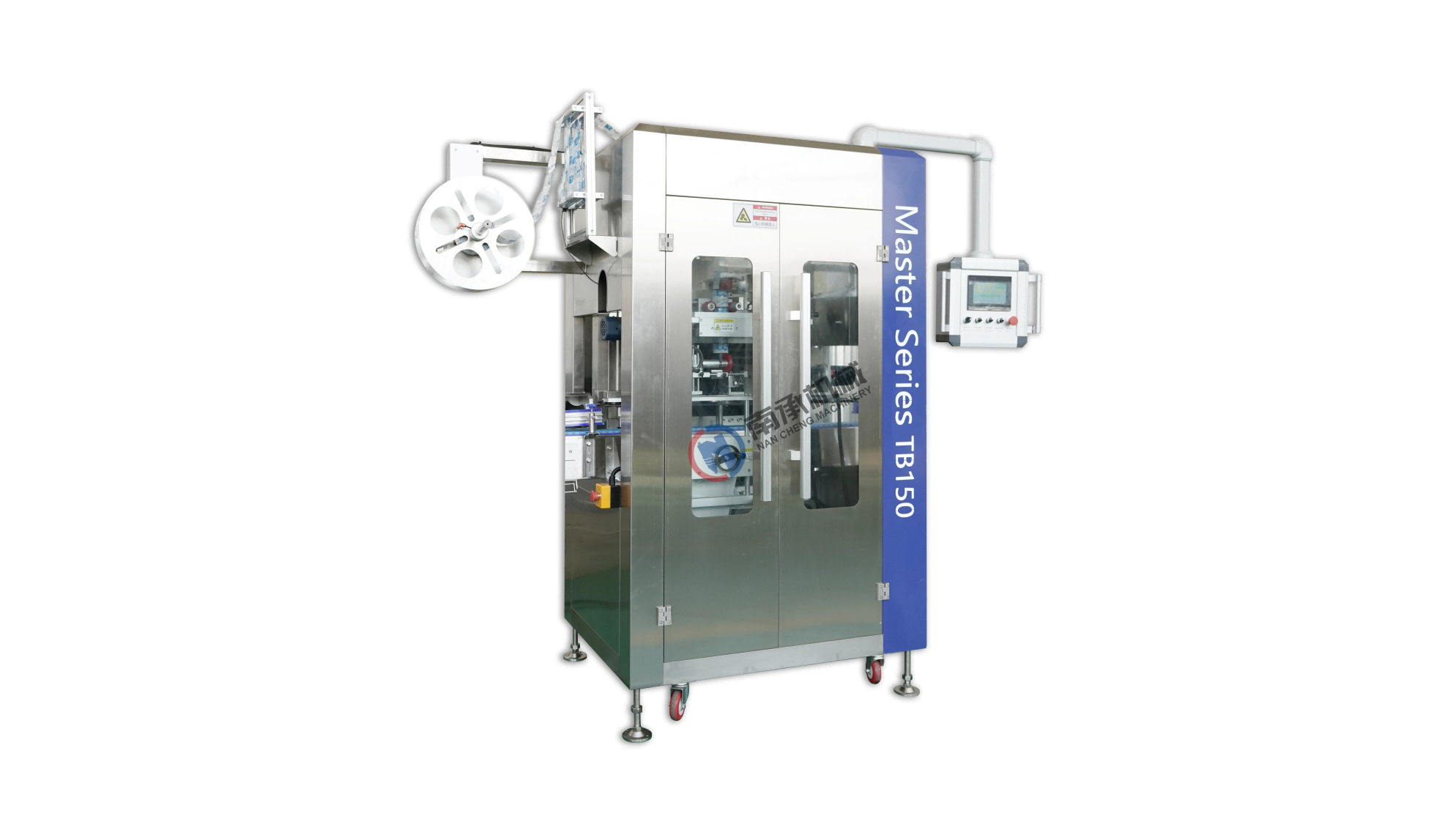
Shrink Sleeve Labeling Machines: Use heat to shrink a plastic sleeve label onto the container, allowing full 360-degree coverage.
Wrap-Around Labeling Machines: Specifically designed for cylindrical containers, applying labels all around the bottle or jar.
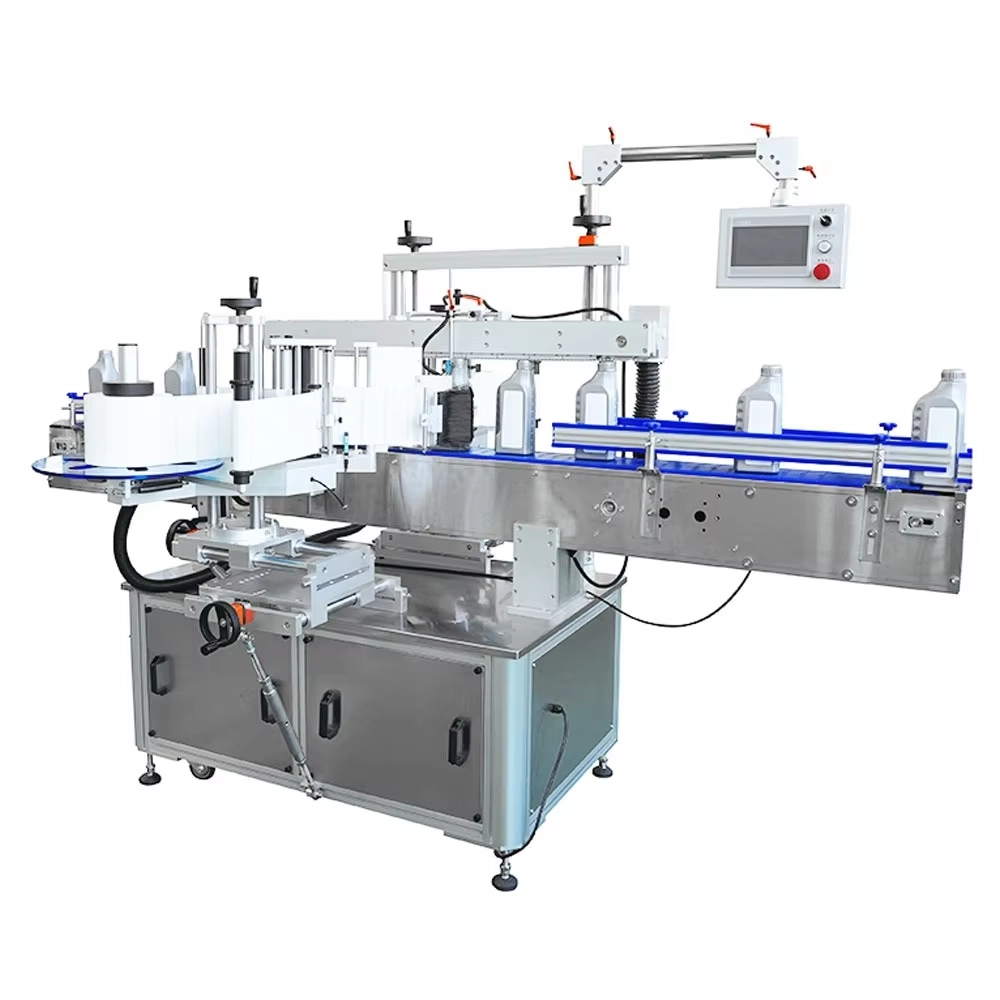
Front and Back Labeling Machines: Apply labels to specific areas on containers, such as front and back sides.
Understanding these types helps manufacturers select the right machine based on product shape, label type, and production speed.
Key Benefits of Labeling Machines
For new entrants, investing in labeling machines brings multiple advantages:
Speed and Efficiency: Automated labeling machines apply labels much faster than manual methods, significantly increasing production throughput.
Accuracy and Consistency: Machines reduce human error, ensuring each label is correctly positioned and applied uniformly.
Versatility: Modern labeling machines handle different bottle shapes and sizes with minimal adjustments, making them suitable for diverse product lines.
Cost Savings: Although initial investment may be significant, automation reduces labor costs and minimizes product waste due to mislabeling.
Compliance: Accurate labeling is critical for meeting regulatory standards, and automated machines improve compliance reliability.
Speed and Throughput Considerations
Speed is a vital factor in labeling machine selection. Newcomers should understand the difference between:
Labeling Speed: The rate at which labels are applied, usually measured in bottles per minute (BPM).
Line Throughput: The overall production speed of the packaging line, which includes labeling as one of the processes.
Labeling machines vary widely in speed — from low-speed machines suitable for small batches (e.g., 20-100 BPM) to high-speed machines for mass production (e.g., 500+ BPM).
Choosing a machine that matches your production goals is essential. Over-specifying can mean unnecessary expense, while under-specifying can create bottlenecks.
Automation and Integration
Automation is a key trend driving efficiency in the labeling machine industry. Fully automated machines often integrate with other production line equipment such as fillers, cappers, and conveyors.
Benefits of automation include:
Reduced Manual Intervention: Operators mainly monitor rather than perform labeling, improving safety and consistency.
Real-Time Quality Control: Advanced machines include sensors and cameras that detect misapplied or missing labels, allowing instant corrections.
Data Connectivity: Integration with factory management systems enables tracking and traceability of labeled products.
For newcomers, investing in automated labeling solutions can future-proof production lines and enhance scalability.
Adaptability to Different Bottle Types
Beverage and packaging manufacturers often deal with various bottle shapes—round, square, oval, or uniquely contoured. The adaptability of a labeling machine to these shapes is critical.
Key points to consider include:
Adjustability: Machines with flexible settings can switch between bottle sizes and shapes with minimal downtime.
Label Application Technology: Wrap-around machines excel with cylindrical bottles, while front/back labelers are ideal for flat or shaped surfaces.
Material Compatibility: The labeling machine should support your preferred label materials and adhesives.
Manufacturers like Nancheng specialize in versatile labeling machines designed for multi-shape adaptability, a feature especially beneficial for newcomers with diverse product lines.
Market Trends and Future Outlook
The labeling machine industry is evolving rapidly due to technological advances and changing consumer demands.
Smart Labeling Machines: Increasing adoption of IoT and AI for predictive maintenance and enhanced quality control.
Sustainability: Growing demand for eco-friendly labeling materials and energy-efficient machines.
Customization: Rising trend towards personalized labeling requiring machines capable of on-the-fly printing and application.
Regulatory Compliance: Stricter labeling regulations pushing for more accurate and traceable labeling solutions.
Newcomers should keep an eye on these trends to ensure their investments remain relevant and competitive.
Choosing the Right Labeling Machine: Tips for Newcomers
Assess Your Production Volume: Understand your current and projected throughput needs to select a suitable machine speed.
Consider Bottle Variety: Choose a machine that can handle your bottle shapes and label types efficiently.
Evaluate Automation Level: Decide between semi-automatic and fully automatic based on budget and labor availability.
Check After-Sales Support: Reliable technical support and spare parts availability are crucial for smooth operations.
Budget Wisely: Balance initial cost with long-term operational savings and scalability.
Conclusion
For newcomers to the packaging industry, understanding the labeling machine landscape is essential to optimize production and product presentation. Investing in the right labeling machine can improve speed, accuracy, and flexibility, making your packaging line more competitive and efficient.
By focusing on the key aspects of machine type, automation, adaptability, and market trends, new manufacturers can confidently navigate the labeling machine industry and make strategic decisions that support business growth.
 WhatsApp: +86-13921994358, +86-13601566060