What Is a Blowing Machine? —PET Bottle Production Starts Here
In the world of modern beverage packaging, speed and precision are no longer optional—they’re the benchmark. At the center of this high-efficiency ecosystem is the blowing machine, the first mechanical process that turns PET preforms into retail-ready bottles.
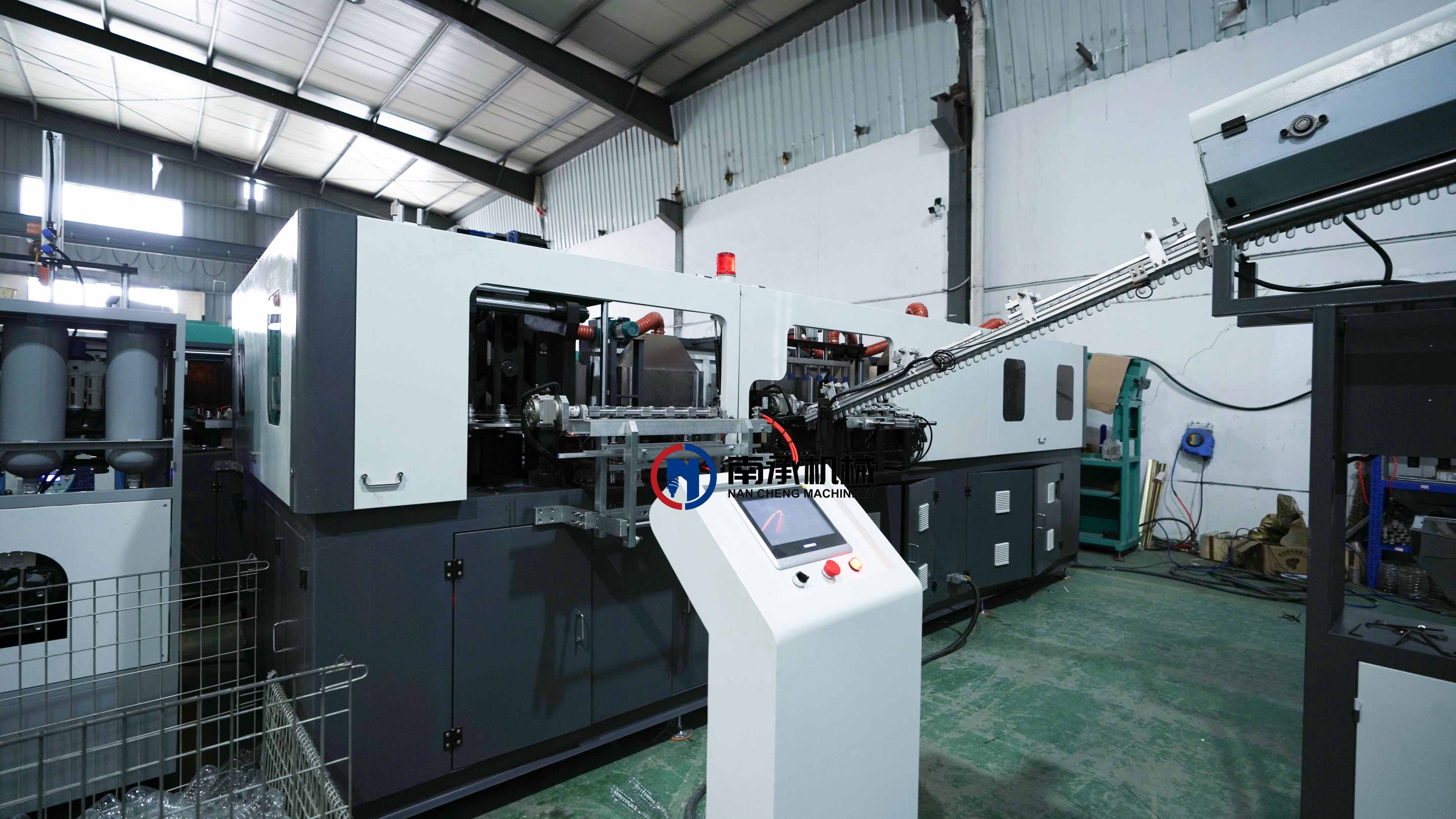
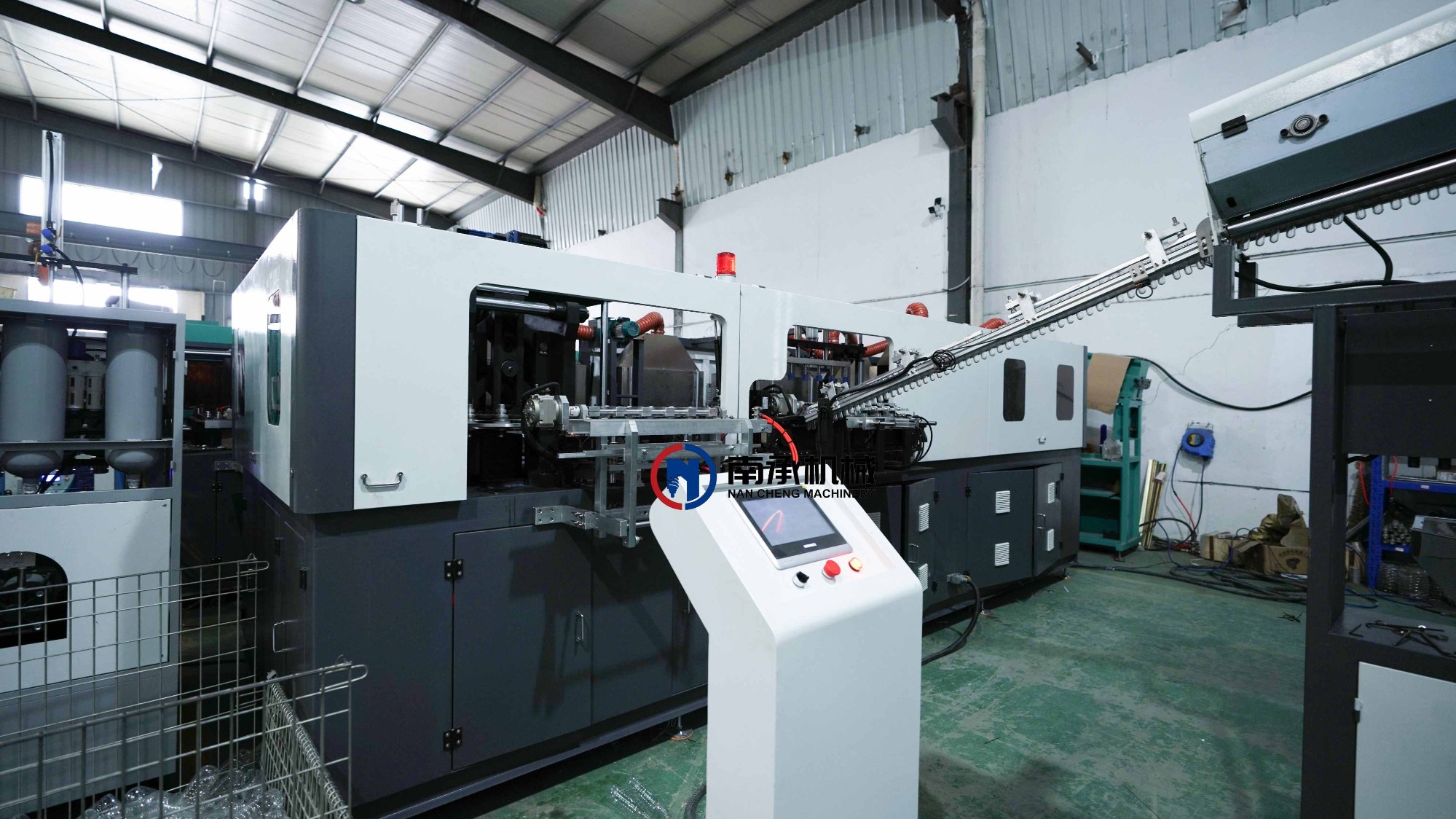
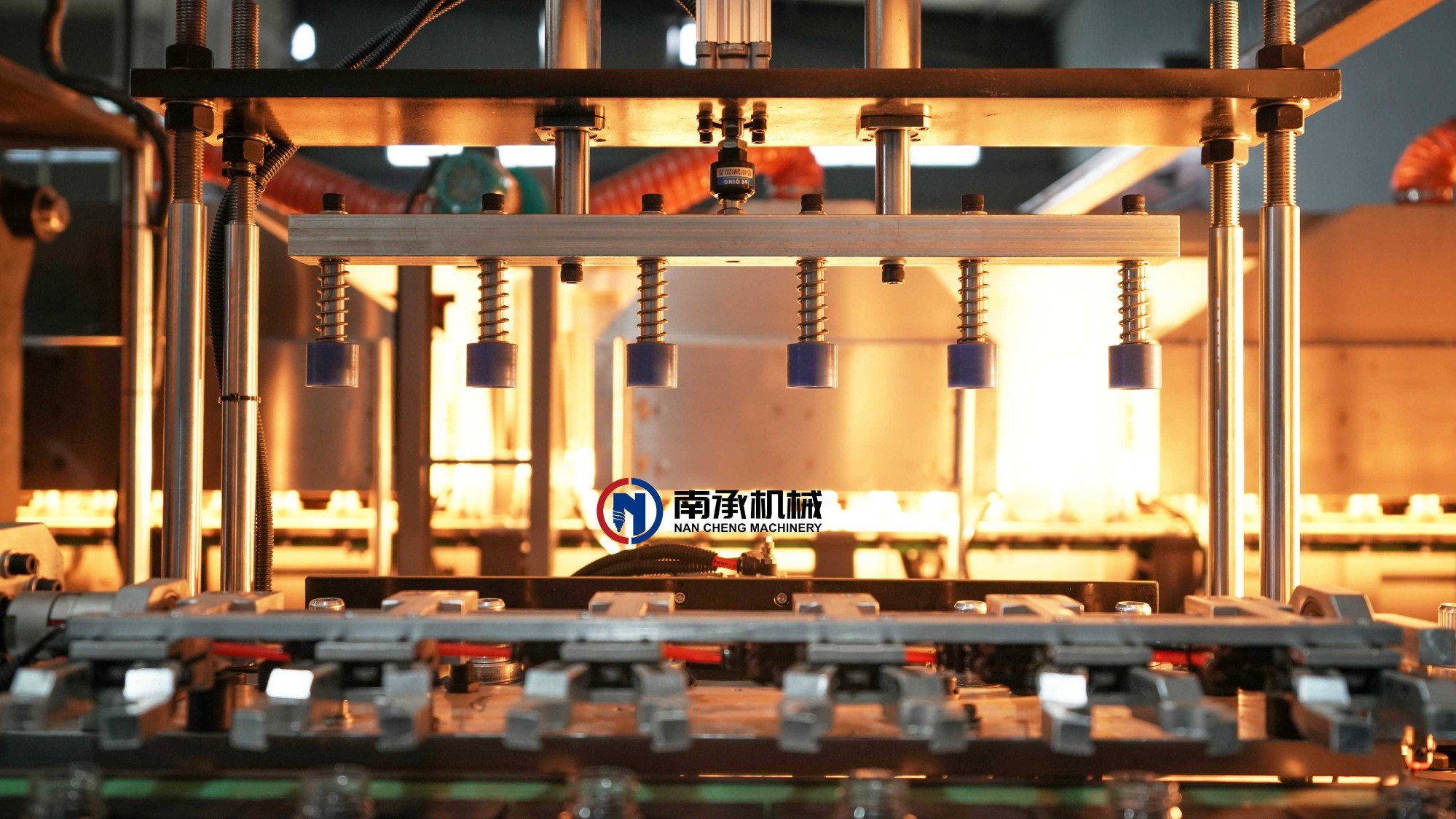
A blowing machine heats PET preforms using infrared rotary ovens, then expands them with high-pressure air inside molds to achieve the desired bottle shape. Top-tier equipment like Nancheng’s fully automatic 6-cavity systems can produce 10,000 to 24,000 bottles per hour, meaning one bottle is formed every 0.15 to 0.36 seconds—fast, flawless, and repeatable.
But speed means nothing without precision. Even a 0.2mm neck deviation in a 500ml bottle can cause leakage or capping failure. That’s why modern blowing machines use servo-driven stretch rods, real-time temperature controls, and automated sensors to ensure consistent bottle integrity across high-output lines.
PET remains the gold standard for beverage packaging: lightweight, clear, recyclable, and strong. The blowing machine elevates these attributes with custom mold designs, wall thickness control, and quick format changeovers—crucial for brands handling multiple SKUs or regional variants.
First impression counts. In beverage production, the bottle is your brand’s handshake.
Types of Blowing Machines
Choosing the right type of blowing machine depends on your production scale and level of automation. The three main types are:
1. Semi-Automatic Blowing Machines
Best for startups or low-volume production
Requires manual loading of preforms and bottles
Lower investment cost but more labor-intensive
2. Fully Automatic Blowing Machines
Ideal for medium to large-scale beverage plants
Fully automated preform loading, heating, blowing, and ejection
Higher speed and efficiency
3. Rotary Blowing Machines
High-speed, high-output machines with rotary design
Compact footprint, typically used by global beverage brands
Can integrate seamlessly with filling and packaging lines
How Does a Blowing Machine Work?
The bottle blowing process typically follows these five steps:
Preform Loading: PET preforms are automatically or manually loaded into the machine.
Preheating: Infrared lamps heat the preforms evenly until they become soft and moldable.
Stretching: A metal rod stretches the preform vertically to prepare it for shaping.
High-Pressure Blowing: Compressed air is injected, expanding the preform against the mold walls to form a bottle.
Cooling & Ejection: The newly formed bottle is cooled and ejected from the mold, ready for filling.
This entire process takes just a few seconds per bottle.
Application Areas
Blowing machines are widely used across multiple industries:
Bottled Water: The most common use, ranging from small to large bottles
Juice and Tea: Lightweight bottles for hot and cold filling
Carbonated Drinks: Requires precise wall thickness for pressure resistance
Edible Oil: Strong and stable bottles with custom handles
Cosmetics & Detergents: Unique bottle shapes and designs
Blowing, Filling, Capping —Integrated for Efficiency
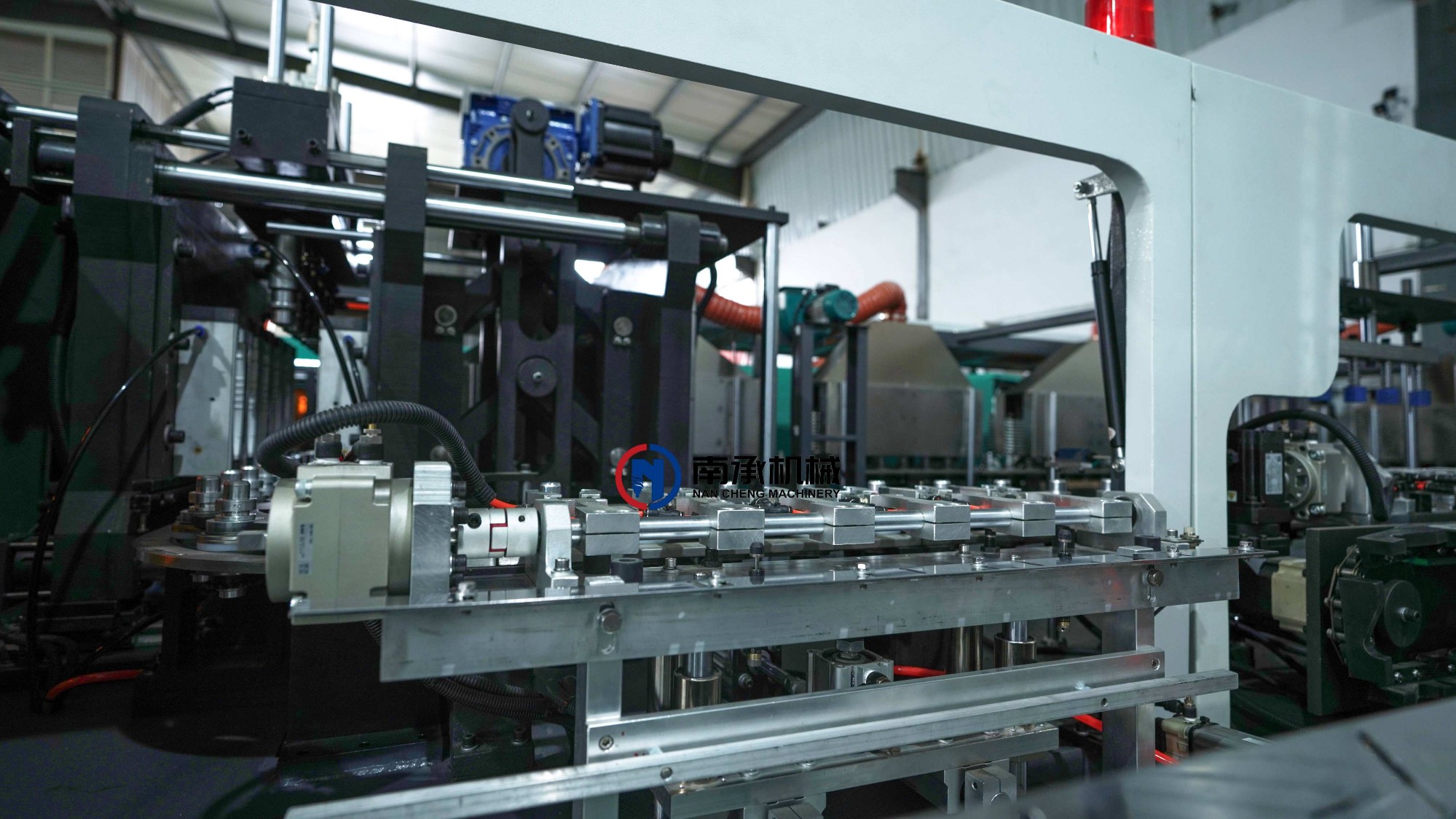
Blowing machines today do more than just shape bottles—they anchor a fully synchronized packaging system.
Enter the Blowing-Filling-Capping (BFC) monoblock: a fully integrated system where bottles are blown, filled, and capped in one continuous unit. This design minimizes floor space, cuts contamination risks, and accelerates line throughput—all essential for sterile applications like juices, dairy, and functional beverages.
Nancheng’s BFC solutions feature:
Positive-pressure enclosures for hygiene
High-speed servo controls for fast switchovers
SKU adaptability with bottle-to-cap precision
Rotary blowing systems, common in global-scale operations, deliver ultra-high output while maintaining compact footprints. These systems are designed with longevity and energy efficiency in mind, incorporating optimized valves, air recycling systems, and low-maintenance mold change technologies.
And thanks to smart diagnostics, blowing machines can now alert operators to abnormal temperatures, feeding issues, or air leaks before downtime occurs. Real-time OEE dashboards and remote monitoring help reduce repair time by over 30%.
The fture of beverage packaging is integrated, automated, and intelligent.
Blowing Machines as a Strategic Investment
Beyond technology, why should engineers, clients, or investors care about blowing machines? Because they directly impact your bottom line, brand flexibility, and production responsiveness.
For engineers, the fascination lies in optimization: how airflow, mold cooling, and servo timing combine to create flawless PET architecture. For clients, uptime, support, and SKU adaptability define success. For investors, it's about reducing per-unit cost and enabling scalable production that’s fast to adapt to market shifts.
Sustainability plays a growing role. Advanced blowing machines can handle ultra-light bottles (as low as 8.5g per 500ml) and even rPET preforms, supporting circular economy goals without sacrificing output.
With over 20 years of experience, hundreds of global installs, and a commitment to automation, Nancheng delivers not just machines—but complete beverage packaging solutions.
So whether you’re launching a new line or modernizing your plant, your blowing machine is not just equipment—it’s the foundation of your brand’s market impact.
In a world where every bottle matters, the blowing machine is your first quality checkpoint.
 WhatsApp: +86-13921994358, +86-13601566060